

District heating is the most common heating method in Finnish housing companies and almost always the property's largest single operating cost: heating typically takes 50-70 % of the total energy bill. Most of the savings come without renovation, through correct settings and intelligent control. This article walks through the ways a housing company can lower its district heating bill.


Our founder Petri Korhonen's background in energy sector innovation brings Voltria significant expertise and strategic insight.

Hybrid heating is one of the most interesting new ways to lower energy costs in housing companies. The building's heat is produced with more than one energy source, and the sources are controlled intelligently according to cost and heating demand.

District heating consumption data is available in the energy company's customer portal. Here's how a property manager or housing company finds and downloads the data for energy saving. A housing company's district heating consumption data is useful, but finding it can feel tricky.
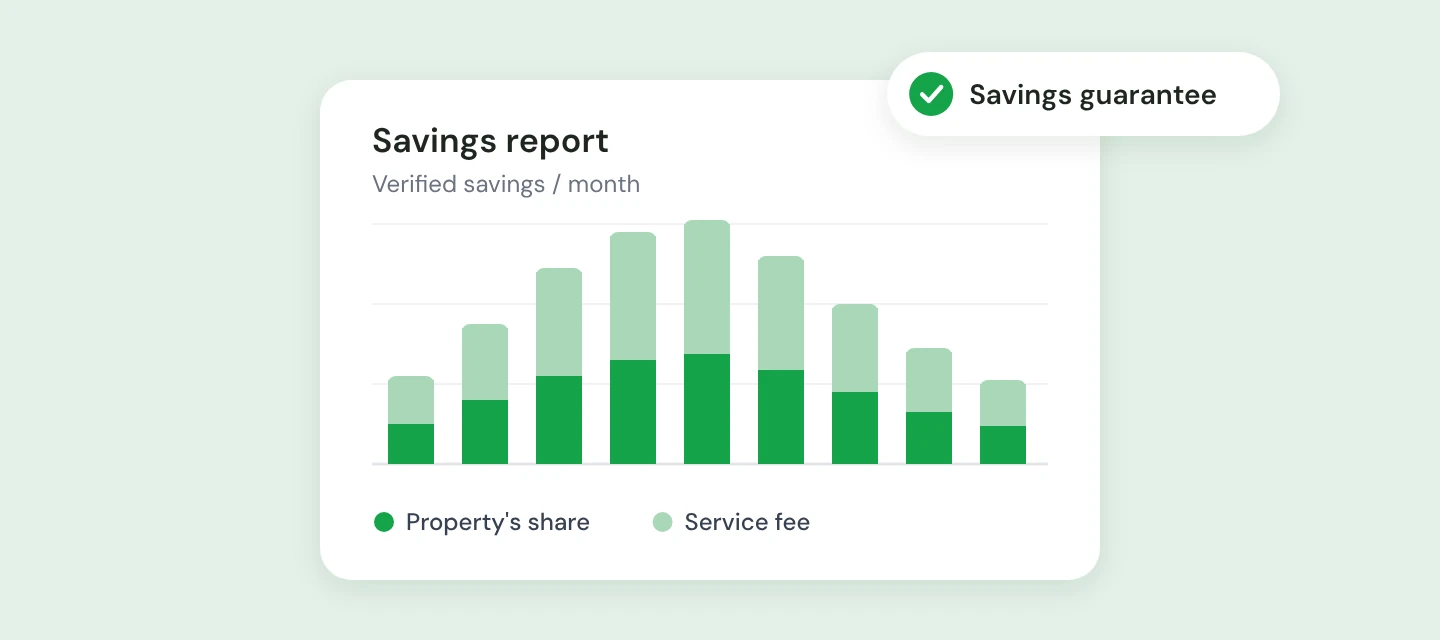
Heating is the largest single cost item in almost every housing company. Reducing it has traditionally required a large investment, such as ground source heat or new windows. Now there is another route: heating optimisation as a service, where the service provider carries the investment and charges only for the savings actually achieved.
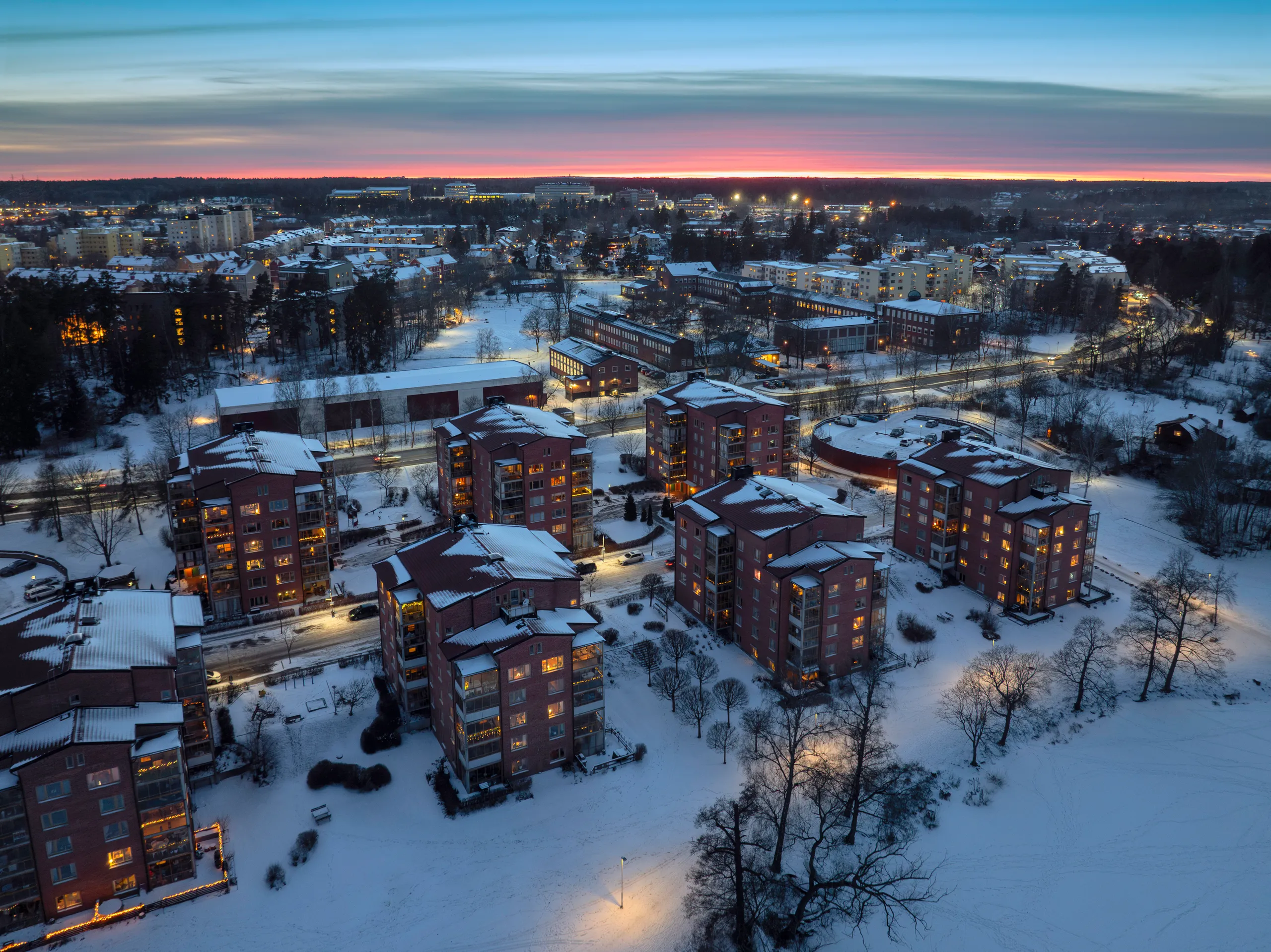
District heating prices in Finland vary between cities far more than many housing companies expect. We compared prices in Finland's ten largest cities for the same typical apartment block, with annual consumption of 600 MWh and heating capacity of 230 kW. In these cities, the annual bill for the same building ranges from about 51,800 to 70,600 euros, a difference of about 18,800 euros a year.